UPSC Toppers Answer Writing Strategy
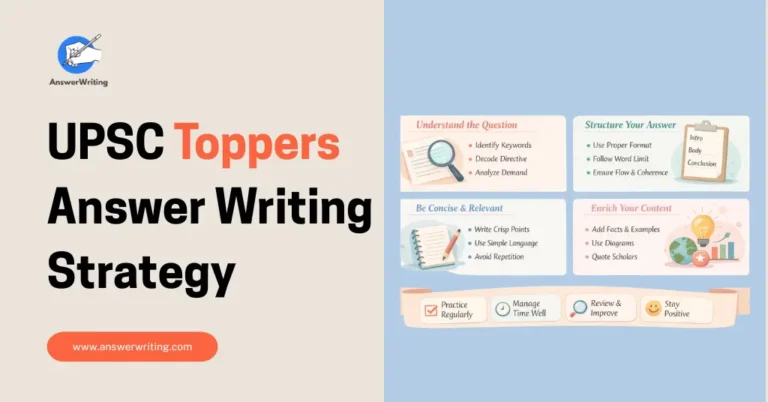
Most UPSC toppers were not born great writers. They started exactly where you are: writing vague, lengthy answers that scored poorly. What separated them was not talent.

Most UPSC toppers were not born great writers. They started exactly where you are: writing vague, lengthy answers that scored poorly. What separated them was not talent.
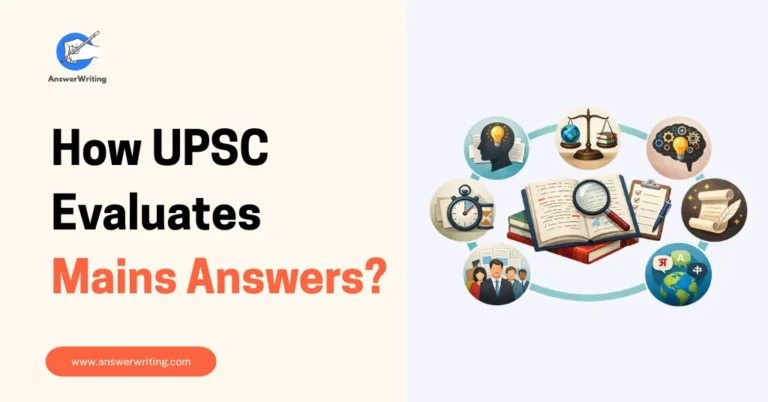
UPSC has never published a detailed marking scheme for its Mains examination. No rubric. No official breakdown of how marks are awarded line by line.
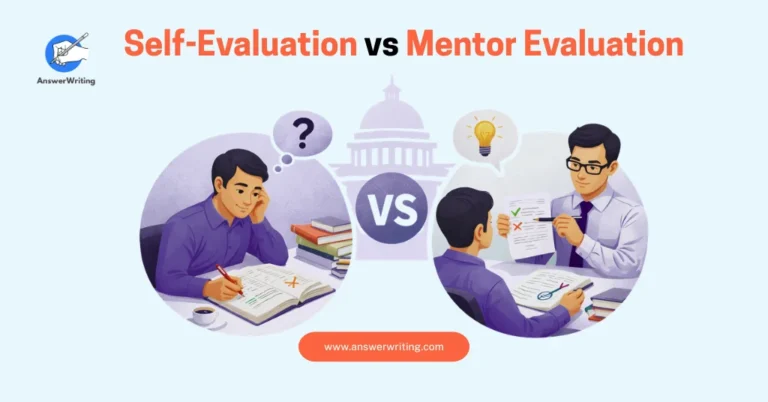
You have written 200 answers. Your notes are color-coded. Your syllabus is covered. But you have no idea if you will clear Mains.

That is not a motivational line. It is a consistent pattern across topper interviews spanning the last decade. Rank holders repeatedly say the same thing: "I read fewer books, but I read them more times."
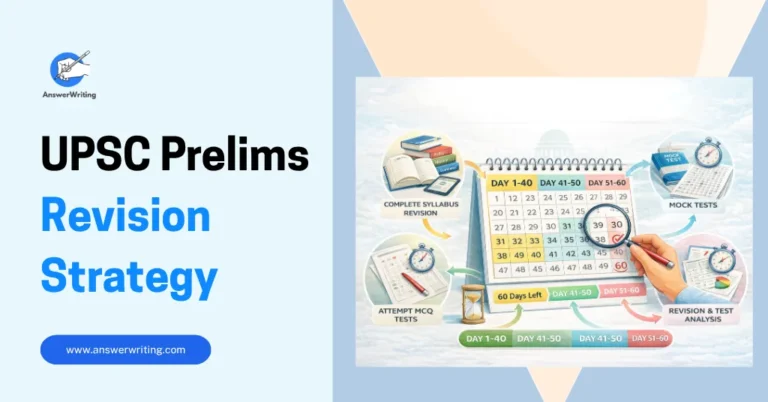
Most aspirants who fail Prelims do not fail because they did not study enough. They fail because they revised the wrong things, in the wrong order, at the wrong time

Every year, nearly 10 lakh candidates register for the UPSC Civil Services Examination. Roughly 180 make it to the final list.

Most aspirants treat it like a subject: something to study separately, cover exhaustively, and memorize systematically.
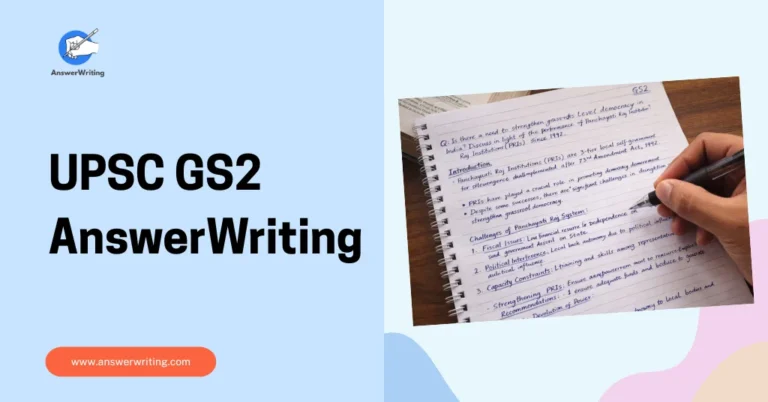
The reason is simple. GS2 demands constitutional thinking, governance awareness, and balanced arguments. It is not enough

Every year, lakhs of aspirants appear for the Civil Services Preliminary Examination conducted by the Union Public Service Commission. Yet only a small percentage qualify for the next stage.
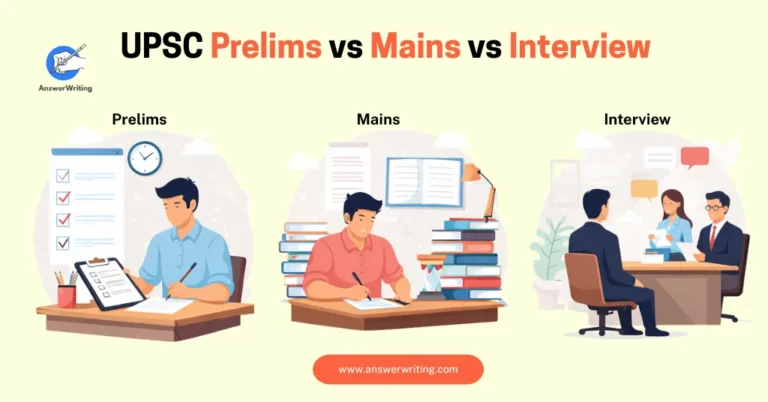
The Union Public Service Commission (UPSC) Civil Services Examination (CSE) is often described as one of the most rigorous competitive assessments globally.